Where Can You Find The Most Effective CBD Oil And Cholesterol Information?


What You Should Know About CBD and Cholesterol
CBD, a natural antioxidant, can modulate cholesterol levels and reduce inflammation. It has also been demonstrated to improve vascular health and reduce anxiety-related symptoms. However, it is crucial to monitor blood pressure and stay clear of CBD if you are taking medication for these ailments.
Lipidomics analysis indicated that CBD induces a broad spectrum of intracellular phenotypes, including disruption of cholesterol biosynthesis as well as trafficking (supplemental Fig. S4F).
High Cholesterol
Cholesterol is a fatty substance, is needed by your body to produce hormones and healthy cells. However, too much of it can be a problem. It can cause a buildup within your blood vessel walls, increasing your chances of suffering from heart stroke and heart disease. The cholesterol you get is derived from your liver and foods that you consume. Your liver makes most of the cholesterol you require but there are some that come from dietary fats as well as other animal products. Since cholesterol isn't easily dissolvable in bloodstreams proteins carry it to where it's required.
Our temporal multiomic profiling showed that CBD disrupts multiple aspects of cholesterol homeostasis: it increases transcriptional activation and protein accumulation of the rate-limiting enzyme in the cholesterol biosynthesis pathway, HMGCR; it decreases free soluble 25-hydroxycholesterol in cells by altering its membrane localization and thereby making its hydroxyl moiety more solvent accessible; and it inhibits transport and storage of cholesterol. CBD alters the lipid composition of cell membranes by increasing the abundance of PCs and decreasing the number of PEs (supplemental Fig. S3A). CBD treatment can trigger changes in the lipid sequence that are responsible for the inhibition of cholesterol biosynthesis in cells and the process of apoptosis.
We found that CBD rapidly and dose-dependently induced apoptosis in SK-N-BE(2) cells with approximately 50% of cells dying after 24 hours in the presence of 40 mM CBD (Fig. 5A). Additionally, the cotreatment of SKN-BE(2) with CBD and atorvastatin (an inhibitor of cholesterol biosynthesis) reduced apoptosis twofold. 5B).
These results demonstrate that CBD hinders the homeostasis of cholesterol particularly in cells that are susceptible to mitochondrial dysfunction. This is also the case with EHFD patients. Specifically, CBD slows the lateral diffusion of fluorescently labeled cholesterol across the monolayer, which is a hallmark of EHFD-induced mitochondrial dysfunction and the NLRP3 inflammasome-pyroptosis pathway. By rescuing this phenotype, CBD can protect EHFD-induced liver damage.
Insulin Resistance
Insulin resistance could be the main cause of type 2 diabetics. In animal models, CBD has proven to increase insulin sensitivity and decrease hyperglycemia. CBD can also aid in reducing inflammation and oxidative stresses that are associated with diabetes. CBD is also believed to help prevent cardiovascular diseases through its role as vasorelaxant. cbd oil and cholesterol is believed to work by interacting with G receptors in the body that are protein-coupled. These receptors are key targets for many drugs used to treat diabetics. It is important to consult your doctor prior to taking CBD if you take statins. Statins are a class of cholesterol-lowering medication which can interact with CBD and increase its effectiveness.
A lipidomic study of SK-N-BE(2) cells that were treated with different concentrations of CBD revealed that CBD disrupts cellular cholesterol homeostasis through a variety of ways. First, it increases the longitudinal diffusion of fluorescent cholesterol, suggesting that CBD alters the lipid order. Second, CBD elicits an increase in the activity of the cholesterol oxidase, consistent with the notion that CBD alters cholesterol transport and storage (supplemental Figure. S4C). This effect was also seen when the lysosome inhibitor U18666A was used to inhibit the acidification of cholesterol by lysosomal enzymes. Additionally, confocal microscopic analysis of lipid droplets that were labeled with LysoTracker-cholesterol and NBD-cholesterol revealed that CBD increases the size of vesicles which are also colocalized with markers of the lysosomal Nile red and cholesterol and resemble the morphological features of Niemann Pick type C (supplemental Figure). S4F).
A combination of transcriptomics and metabolomics research has also shown that CBD increases cholesterol biosynthesis in cells through increasing the transcription and accumulation of protein of the rate-limiting enzyme in the cholesterol biosynthesis pathway, HMGCR. This is in line with the findings from phosphoproteomics, which demonstrate that CBD treatment increases AMP:ATP and activates AMPK kinase. Seahorse assays of extracellular flux proved that CBD reduced the amount of oxygen consumed in cells, which is consistent with the activation of AMPK.
Inflammation
CBD is a compound that is used to treat arthritis pain and may reduce inflammation. While the research is only preliminary, it has shown CBD to possess anti-inflammatory properties. CBD can affect the endocannabinoid (ECS) system to influence the activity of receptors that affect inflammation and pain perception. The ECS is an important biological system that regulates numerous functions like sleep, appetite and mood. Inflammation can be caused by a myriad of factors. There are different types of CBD products, and you can either take them orally or apply them topically for the most benefit. If you aren't sure of the proper dosage, it is recommended to consult a medical professional.
CBD is available in various supplements, ranging from capsules to oils. Choosing the right CBD product can be a challenge due to the fact that different products have different strengths and dosages. Certain supplements have additional ingredients that could trigger a negative reaction in some people or interact with medications Therefore, it is essential to take note of the labels.
You can purchase CBD in a variety of different forms. Additionally, CBD is also available as a supplement to food and beverages. Certain people take CBD to improve their mental health. Studies show that CBD can reduce depression, anxiety, and other mood disorders. CBD can also aid in treating conditions like PTSD as well as schizophrenia and addictions.
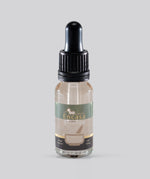
Oral CBD can have rapid results. However, it is recommended to begin with a small dosage and gradually increase the dose. It is important to be aware that CBD oil or tincture administered under the tongue is the most effective absorption rate because it is absorbed directly into your bloodstream. It is recommended to pick a high-quality product and avoid low-quality products that may not be safe for your body.
The research on the benefits of CBD to reduce inflammation are promising, but more research is required to determine how effective it is for chronic pain and other conditions. It is important to remember that different products contain different amounts of CBD. Therefore it is crucial to read the label prior to taking any supplements and to talk to a doctor.
Pain
The most frequent reason why people seek medical cannabis. Age, accidents and chronic illnesses like arthritis could cause it. It can also be a side effect of certain medications. It is crucial to find ways to ease your pain, particularly when conventional treatments fail or cause unpleasant side effects.
CBD has been shown to be a successful treatment for pain. It works by stimulating receptors for endocannabinoid in the brain and body to ease the symptoms. It is also believed to reduce pain by interfering with neurotransmitters. More research is needed to fully comprehend CBD's effects.
A number of studies indicate that CBD could be effective in treating pain caused by multiple sclerosis and other neurological conditions. In one study, CBD was found to reduce the frequency of episodes of pain and also their duration and severity. CBD could also reduce the requirement for opioids and NSAIDs to manage pain.
More research is required to determine the effectiveness of CBD in combating the pain caused by other conditions, like fibromyalgia or chronic pain syndromes. CBD can also help to reduce depression and anxiety symptoms. It may also help improve the quality of sleep. It can also reduce the desire to consume addiction-inducing substances like alcohol, tobacco or other drugs.
While the research on CBD is promising, individuals who are considering trying CBD should talk to their doctor first. Start with a small amount and read the label. It's also important to note that the sellers of CBD aren't health professionals and may not have the proper education to give precise information about the product.
CBD capsules are the most commonly used form of CBD that you can take. They can either be swallowed as a whole or placed under your tongue. Other options include tinctures that could be added to drinks or food. You can also massage lotions and creams onto your skin. It is important to know that a lot of these products contain other ingredients, which can affect how effective they are in reducing pain. For example creams or lotions might contain ingredients that alleviate pain or discomfort, such as capsaicin or menthol.